Losing fat while gaining muscle sounds contradictory at first. Fat loss is usually linked with eating less, while muscle gain is linked with eating more. Yet body recomposition—the process of reducing body fat and building or maintaining muscle at the same time—does happen, and for some people it can be a realistic goal.
The core idea is not magic: use nutrition and training to encourage the body to break down stored fat for energy, while providing enough stimulus and building blocks for muscle growth. That balance is delicate, and progress is usually slower than with pure “weight loss” or pure “muscle gain” plans. Still, for many, the trade-off is worth it: better shape, strength, and health without large swings in body weight.
This guide explains what body recomposition actually is, how it works, who is most likely to see it, and what day-to-day habits support it. The focus is on realistic expectations and practical steps, not quick fixes.
What Body Recomposition Really Means
Body recomposition means changing the proportions of fat and lean tissue in the body rather than simply changing the number on the scale. Even if body weight stays similar, someone can look and feel very different after gaining muscle and losing fat.
Traditional approaches usually focus on one goal at a time:
- "Cutting" typically emphasizes a calorie deficit to lose fat, with the risk of also losing some muscle.
- "Bulking" focuses on a calorie surplus to gain muscle, with the risk of adding more body fat.
Recomposition aims to work in the middle ground:
- Reduce body fat gradually.
- Maintain or increase muscle mass.
- Improve strength and physical performance.
This is not the same as chasing a lower weight at all costs. Two people with identical body weights can look and function very differently depending on their muscle and fat levels. Body recomposition focuses on what the body is made of, not just how much it weighs.
How Fat Loss and Muscle Gain Happen at the Same Time
Fat loss and muscle gain rely on overlapping, but not identical, processes.
For fat loss, the body needs to use more energy than it takes in over time. When this happens, stored energy—mainly body fat—is gradually broken down to cover the gap. This is often called a calorie deficit. It does not have to be extreme; a modest deficit sustained over weeks and months is usually more manageable and easier on muscle mass.
Muscle gain depends mainly on three things:
- Mechanical tension from resistance training, which provides the signal to grow.
- Adequate protein and overall nutrients, which provide the building blocks.
- Enough overall energy so the body does not need to break down too much muscle tissue.
Recomposition works by combining these ideas:
- Strength training tells the body to hold on to muscle and, if conditions allow, to build more.
- Higher protein intake supports muscle repair and growth.
- Slightly lower or roughly maintenance-level energy intake encourages the body to draw more on fat stores while still supporting training and recovery.
The result, when it works, is a slow shift: clothes fit differently, measurements change, strength improves, and body fat levels gradually come down, often with only modest changes in scale weight.
Who Is Most Likely to See Body Recomposition
Recomposition is not equally easy for everyone. Some groups tend to see more noticeable changes:
- People new to resistance training: When someone starts lifting weights, the body responds strongly. Muscle growth can be relatively quick at first, even without a calorie surplus. This makes it easier to add muscle while losing fat.
- People returning after a break: Muscle that was previously built often comes back faster once training resumes, sometimes called “muscle memory.” That can support recomposition, especially if body fat increased during the break.
- People with higher body fat levels: The body has more stored energy to draw on, so it may be easier to fuel muscle growth while still losing fat.
It can still happen, to a degree, in leaner or more experienced individuals, but progress is usually slower and more subtle. In those cases, many people eventually alternate focused muscle-gain and fat-loss phases because gaining significant muscle while steadily losing fat becomes harder.
Regardless of starting point, age, hormones, genetics, and lifestyle (especially stress and sleep) also influence how easily the body changes composition. Those factors are not fully controllable, but knowing they exist can set more realistic expectations.
Nutrition Foundations for Recomposition
Nutrition is where many recomposition efforts succeed or stall. The goal is to support training and muscle growth while allowing gradual fat loss.
Calorie balance
Instead of a large calorie deficit, body recomposition usually relies on:
- Maintenance calories, or
- A modest deficit that still allows energy for training and recovery.
If energy intake drops too low, the body becomes more likely to break down muscle, training quality suffers, and hunger and fatigue increase. On the other hand, routinely eating above maintenance makes fat loss unlikely, even with good training.
Because needs vary widely by person and change with activity level, precise numbers are less important than monitoring trends. If strength is improving, clothes are fitting better, and body weight is holding steady or slowly changing, the overall intake is probably in a reasonable range.
Protein
Protein is critical for protecting and building muscle during fat loss. Higher-protein diets tend to support better satiety and help limit muscle loss when energy intake is reduced.
In practice, this usually means:
- Including a protein source at most meals and snacks (such as poultry, fish, eggs, dairy, tofu, legumes, or other plant-based proteins).
- Distributing protein reasonably evenly across the day instead of having almost all of it in one meal.
This pattern helps keep a steady supply of amino acids available for muscle repair and growth.
Carbohydrates and fats
Carbohydrates and fats both provide energy. Manipulating them can support training, but neither should be pushed to unnecessary extremes.
Carbohydrates can:
- Support higher-intensity training by replenishing muscle glycogen.
- Help with performance and recovery when placed around workouts.
Fats are important for:
- Hormone production and absorption of fat-soluble vitamins.
- Long-lasting energy, especially at lower intensities.
Many people find that keeping carbohydrates around workouts and maintaining a moderate fat intake works well, but the specific balance can be adjusted to personal preference, cultural food patterns, and any medical guidance.
Meal timing
Meal timing does not override total intake and protein over the full day, but it can help:
- Eating within a few hours before training, with some protein and carbohydrates, generally supports performance.
- Having protein soon after training supports recovery, although the “window” is wider than once believed.
A consistent meal pattern that avoids very long stretches without food or repeated cycles of extreme hunger and overeating tends to make recomposition efforts more manageable.
Training Approaches That Support Recomposition

Resistance training is the main driver of muscle gain during recomposition. Without it, most weight lost in a calorie deficit will come from a mix of fat and muscle, which undermines the goal.
Resistance training basics
Effective plans share some common themes:
- Focus on compound movements that work multiple joints and muscle groups, such as squats, hip hinges, presses, rows, and pull-downs or pull-ups.
- Train major muscle groups at least twice per week. This can be done with full-body sessions or upper/lower splits, depending on schedule and preference.
- Use loads and repetitions that feel challenging in the final few reps of a set while still allowing controlled technique.
- Progress over time by adding weight, doing more repetitions with the same weight, or adding sets.
This progressive overload tells the body that current muscle is needed and that more muscle would be useful.
Role of cardiovascular exercise
Cardio is not the main driver of muscle gain, but it supports:
- Heart and lung health.
- Recovery and overall work capacity.
- Additional energy expenditure, which can help create the modest deficit needed for fat loss.
Moderate amounts of cardio—such as brisk walking, cycling, or other preferred activities—can be combined with strength training. Excessive cardio, especially if paired with very low calorie intake, can make it harder to recover and maintain muscle. The right amount depends on individual fitness, schedule, and goals.
Recovery, Sleep, and Stress Management
Muscle is not built in the gym but in the hours afterward, when the body repairs and adapts. Recovery is often underestimated in recomposition efforts.
Sleep
Consistently short or poor-quality sleep can:
- Increase appetite and cravings.
- Reduce training performance.
- Make it harder to regulate energy intake.
A regular sleep schedule and a calming pre-bed routine support better recovery. The ideal amount of sleep varies by person, but most adults function better with a generous, consistent sleep window rather than frequently cutting sleep short.
Rest and training balance
Training hard every day without rest often leads to fatigue, nagging aches, and declining performance. For recomposition, a balance usually works better:
- Several challenging resistance sessions per week.
- At least one full rest day and some lighter days.
Active recovery—like easy walking or gentle mobility work—can help circulation and stiffness without adding much fatigue.
Stress
Psychological stress does not stop fat loss or muscle gain by itself, but chronic, high stress can:
- Disrupt sleep.
- Increase emotional eating or reduce appetite regulation.
- Make consistent training more difficult.
Simple stress-management habits, such as time outdoors, social connection, or brief relaxation practices, can indirectly support recomposition by improving consistency in other areas.
Measuring Progress Beyond the Scale

Because body recomposition focuses on what the body is made of rather than just weight, relying only on the scale can be misleading.
Useful ways to track changes include:
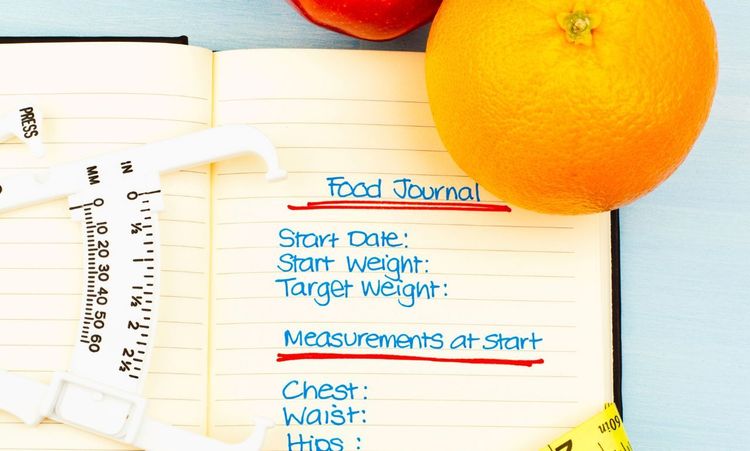
- Circumference measurements: Measuring waist, hips, thighs, arms, or chest every few weeks can show fat loss or muscle growth even when body weight changes slowly.
- Progress photos: Taken in similar lighting and clothing, spaced several weeks apart, photos can reveal shifts in muscle definition and overall shape.
- Strength records: Tracking how much weight can be lifted or how many repetitions can be performed in key exercises shows whether muscle and performance are improving.
- Clothing fit: Looser waistbands or sleeves that feel more filled out in the upper arms can be signs of recomposition.
Body fat scales and handheld devices can provide estimates but often fluctuate widely from day to day, so they are better used as long-term trends than absolute measures.
Because changes accumulate slowly, checking progress too often can create frustration. Spacing out measurements and comparing trends over months rather than days tends to give a clearer picture.
Common Mistakes and Misconceptions
Body recomposition is often misunderstood. Several patterns frequently get in the way.
- Chasing rapid fat loss: Very low calorie intakes might lead to quick weight loss at first, but a larger share of that loss comes from muscle. Energy for training drops, and long-term adherence is harder.
- Ignoring protein: Focusing only on calories and neglecting protein makes it more likely that muscle is lost along with fat, especially during a deficit.
- Overdoing cardio while neglecting strength training: Cardio alone can support weight loss, but without resistance training, much of that loss may be muscle mass.
- Constantly changing programs: Switching workouts and diets every week makes it hard to see how the body responds. Recomposition requires enough time on a given plan to adapt.
- Expecting big weekly scale changes: For many, recomposition means the scale moves slowly, or temporarily not at all, while body shape and performance change. Assuming nothing is working because the number is not dropping can lead to abandoning a plan that is actually succeeding.
- Copying extreme approaches: Methods used by physique competitors or elite athletes usually involve precise, demanding routines that are tightly managed and often temporary. Those are not necessary, or sustainable, for general recomposition.
Understanding these pitfalls helps set more patient, realistic expectations and reduces the urge to jump between extremes.
A Practical Week of Recomposition Habits
There is no single “correct” recomposition plan, but many successful approaches share some broad patterns. A typical week might include:
- Resistance training on three or four nonconsecutive days, focusing on major lifts and progressively challenging loads.
- Two or three moderate cardio sessions, such as brisk walks or cycling, matched to energy and schedule.
- A generally consistent eating pattern: three main meals and, if helpful, one or two planned snacks, each including a source of protein and mostly minimally processed foods.
- Flexible but deliberate food choices: room for favorite foods in sensible portions while still prioritizing nutrient-dense options most of the time.
- A regular sleep schedule, with enough time in bed to feel reasonably rested most days.
- One or more simple stress-management habits, like a short daily walk outside or a brief wind-down routine before bed.
Specific exercises, foods, and meal timing can be adjusted to individual preferences, cultural traditions, health conditions, and professional advice. The underlying pattern—consistent strength training, reasonable activity, supportive nutrition, and adequate recovery—matters more than the exact details.
Turning Recomposition into a Sustainable Approach
Body recomposition is not a quick transformation. For most people, visible changes take months, and meaningful muscle gain paired with fat loss can take longer. The reward is that progress tends to be more stable and maintainable than results from extreme short-term diets.
Approaching recomposition as a long-term shift in habits—rather than a brief “challenge”—usually works better. That means choosing forms of exercise that feel acceptable, foods that fit real life, and routines that can continue through busy and calm seasons alike.
When circumstances are complex or medical conditions are involved, a qualified health professional or registered dietitian can help interpret these general principles and adapt them to individual needs. Over time, the combination of patient nutrition, thoughtful training, and consistent recovery allows the body to gradually trade less-useful fat mass for more functional muscle, improving both appearance and capability.