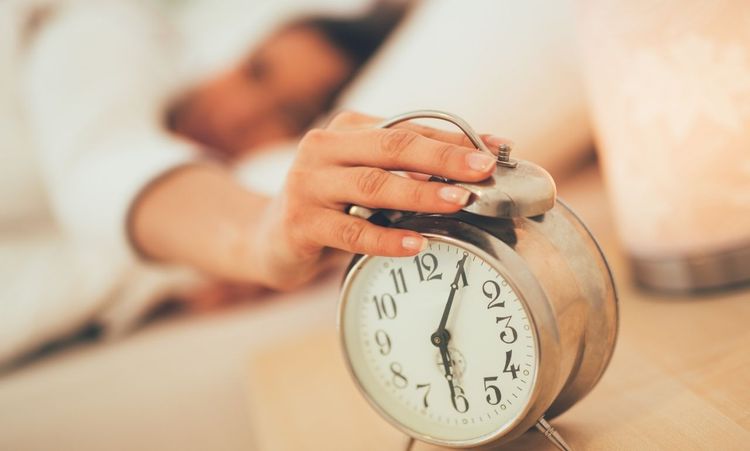
The morning after a sleepless night rarely looks the same for everyone. One person may struggle to remember simple tasks and crave coffee all day, while another appears to function almost normally despite getting little or no rest.
That contrast is more than a matter of willpower. Research shows that our response to sleep loss is shaped by a complex combination of biology, lifestyle, health, and even previous sleeping habits. Understanding those differences helps explain why a single night without adequate rest can leave one individual feeling devastated while another notices only mild discomfort.
Sleep Loss Doesn't Affect Every Brain the Same Way
Scientists have long known that sleep deprivation reduces attention, reaction time, memory, and emotional control. What surprised researchers is how dramatically these effects vary between individuals.
In controlled laboratory studies, participants who missed the same amount of sleep often performed very differently on identical cognitive tests. Some experienced rapid declines in alertness within hours, while others maintained relatively stable performance for much longer.
This variability is remarkably consistent. People who are especially vulnerable to sleep deprivation tend to remain vulnerable across repeated experiments, suggesting that individual sensitivity is a genuine biological characteristic rather than random chance.
The differences become especially noticeable during tasks requiring sustained concentration. Activities such as driving, monitoring equipment, or making complex decisions reveal performance gaps that might not be obvious during casual conversation.
Genetics Quietly Shapes Your Resilience
Beneath everyday habits lies an important factor that cannot be changed: genetics.
Researchers have identified several genes that influence sleep regulation, circadian rhythms, and recovery after sleep loss. Variations in these genes affect how efficiently the brain manages fatigue and maintains cognitive performance.
Some genetic differences influence:
- Sleep pressure buildup throughout the day
- Internal biological clock timing
- Memory consolidation during sleep
- Brain activity during deep sleep
- Ability to recover after deprivation
These inherited characteristics do not make someone immune to missing sleep. Instead, they shift the threshold at which performance begins to deteriorate.
Even individuals with greater genetic resilience eventually experience impaired judgment, slower reactions, and reduced mental flexibility if sleep deprivation continues.
Your Sleep Debt Matters More Than Last Night Alone
One night of poor sleep rarely occurs in isolation.
Many adults carry an ongoing sleep debt after repeatedly sleeping less than they need throughout the week. In these cases, missing another night compounds existing fatigue instead of creating an entirely new problem.
Imagine two coworkers who both stay awake all night.
The first has consistently slept eight hours for several weeks. The second averages only six hours each night because of work demands. Although both miss the same night's sleep, the second person often experiences much greater impairment because the body is already operating with accumulated fatigue.
Sleep debt affects multiple systems simultaneously:
- Attention becomes harder to sustain.
- Emotional reactions become stronger.
- Decision-making slows.
- Learning new information becomes more difficult.
- Physical coordination declines.
Ironically, people carrying chronic sleep debt often underestimate how impaired they actually are.
Age Changes How the Body Responds
Our relationship with sleep evolves throughout life.
Young adults generally require substantial sleep because their brains remain highly active in learning, memory formation, and development. Missing a night's sleep during these years often produces pronounced cognitive deficits.
Teenagers face additional challenges because their natural body clocks shift later, making early school schedules especially difficult. Losing sleep on top of this biological tendency can severely reduce academic performance and emotional regulation.
Older adults sometimes report feeling less affected after a poor night's sleep. This observation contains both truth and misconception.
Although aging changes sleep architecture and reduces deep sleep, older adults may simply experience different symptoms. Instead of obvious sleepiness, they may notice slower processing speed, reduced balance, or decreased mental flexibility.
Age-related health conditions can further influence how sleep deprivation manifests.
Stress Can Magnify the Effects
Mental state plays a surprisingly powerful role in determining how someone experiences sleep loss.
Acute stress activates the body's sympathetic nervous system, increasing levels of stress hormones such as cortisol and adrenaline. These chemicals temporarily increase alertness, allowing some people to feel unusually energetic despite inadequate sleep.
This temporary boost comes at a cost.
Once stress hormones decline, fatigue often arrives abruptly. People may experience sudden difficulty concentrating, mood swings, or overwhelming exhaustion later in the day.
Chronic stress presents an even greater challenge.
Persistent anxiety, financial worries, caregiving responsibilities, or workplace pressure often disrupt both sleep quality and emotional resilience. As a result, even one missed night can feel far more debilitating because the brain has fewer resources available to compensate.
Physical Health Influences Recovery
The body and brain recover from sleep loss together.
Individuals with good cardiovascular health, balanced nutrition, and regular physical activity often demonstrate somewhat better resilience during short-term sleep restriction.
Conversely, underlying medical conditions can amplify fatigue.
Examples include:
- Diabetes
- Heart disease
- Chronic pain
- Thyroid disorders
- Autoimmune diseases
- Respiratory illnesses
Sleep disorders create another important layer.
People with untreated sleep apnea, restless legs syndrome, or chronic insomnia may already experience fragmented sleep every night. Missing an additional night places further strain on systems that have not fully recovered in months or even years.
Inflammation may also contribute. Growing evidence suggests that elevated inflammatory markers make individuals feel more fatigued and cognitively impaired after inadequate sleep.
Lifestyle Habits Build or Reduce Resilience
Daily routines influence how well the brain tolerates occasional sleep disruption.
Regular exercise improves sleep quality and supports brain function. Physically active people often recover more efficiently from isolated sleep loss than those who rarely exercise.
Nutrition also matters.
Balanced meals provide steady glucose to the brain, while excessive sugar consumption can produce energy crashes that worsen perceived fatigue.
Hydration deserves attention as well. Mild dehydration causes symptoms remarkably similar to sleep deprivation, including headaches, reduced concentration, and slower thinking.
Other lifestyle habits have mixed effects.
Caffeine Helps—but Only Temporarily
Coffee, tea, and energy drinks can improve alertness for several hours by blocking adenosine, the chemical responsible for increasing sleep pressure.
However, caffeine does not eliminate underlying cognitive impairment.
People frequently feel more awake while continuing to make poor decisions or react more slowly than usual.
Alcohol Makes Recovery Harder
Some individuals consume alcohol believing it promotes better sleep after an exhausting day.
Although alcohol may shorten the time required to fall asleep, it fragments sleep later in the night and suppresses restorative stages, reducing the quality of recovery.
Men and Women May Experience Sleep Loss Differently
Sex differences in sleep research continue to emerge.
Hormonal fluctuations influence sleep quality throughout life, particularly during menstruation, pregnancy, and menopause.
Women often report greater subjective sleepiness after poor sleep, although objective performance tests sometimes reveal smaller differences than expected.
Men, meanwhile, may underestimate their fatigue despite measurable declines in cognitive performance.
Neither pattern indicates superior resilience. Instead, biological and hormonal differences appear to influence how fatigue is experienced, perceived, and reported.
Researchers continue investigating how hormones such as estrogen and progesterone interact with sleep regulation and recovery.
The Brain Can Hide Fatigue for a While
One reason people believe they tolerate sleep loss well is that the brain possesses remarkable short-term compensatory mechanisms.
When motivation is high or tasks are exciting, additional brain regions may temporarily increase their activity to maintain performance.
For example, someone preparing for an important presentation might remain focused throughout a meeting despite sleeping very little.
This compensation has limits.
As wakefulness continues, maintaining concentration requires progressively greater mental effort. Eventually, the brain experiences brief lapses known as microsleeps.
These episodes may last only a few seconds but can occur without the person's awareness.
During a microsleep:
- Attention disappears.
- Visual awareness decreases.
- Reaction time stops.
- Decision-making effectively pauses.
Behind the wheel of a vehicle or while operating machinery, these brief lapses become extremely dangerous.
Recovery Is Not Always Immediate
Many people assume that one long night's sleep completely reverses the effects of missing sleep.
Recovery is often more gradual.
After one sleepless night, individuals usually benefit from obtaining sufficient sleep over the following several nights rather than relying on a single extended sleep session.
The speed of recovery depends on numerous factors:
- Age
- Overall health
- Amount of prior sleep debt
- Stress levels
- Individual genetics
- Duration of sleep deprivation
Returning to consistent sleep schedules generally produces better recovery than alternating between severe sleep restriction and weekend "catch-up" sleep.
Good recovery habits include maintaining regular bedtimes, limiting bright screens before bed, avoiding excessive caffeine late in the day, and creating a quiet, comfortable sleep environment.
These habits support natural recovery without requiring complicated interventions.
Why Researchers Continue Studying Individual Differences
Scientists increasingly recognize that sleep recommendations may eventually become more personalized.
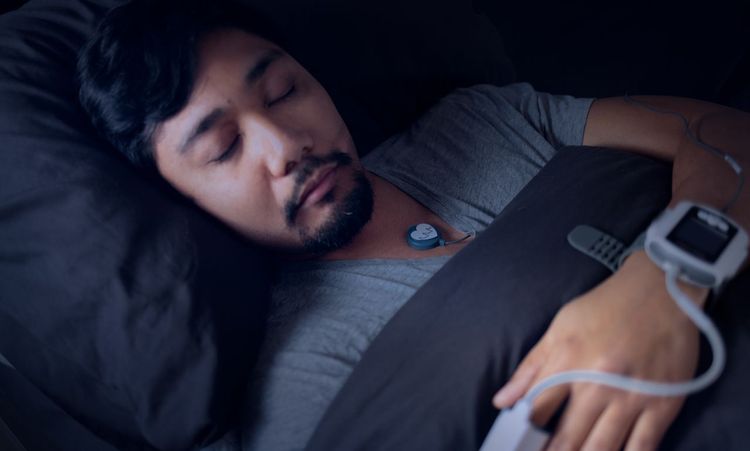
Wearable technology, genetic research, and improved understanding of circadian biology are helping researchers identify why certain individuals tolerate occasional sleep disruption better than others.
This work could eventually improve scheduling for healthcare workers, emergency responders, military personnel, pilots, and shift workers whose responsibilities sometimes require extended wakefulness.
At the same time, experts consistently emphasize an important point: no one is immune to the biological need for sleep.
Even people who appear highly resilient eventually experience measurable declines in judgment, learning, emotional regulation, and physical performance when sleep deprivation continues.
Conclusion
Human biology rarely follows a one-size-fits-all pattern, and nightly rest is one of its clearest examples. The differences visible after a sleepless night reflect an intricate interaction between inherited traits, health, accumulated fatigue, age, stress, and everyday habits rather than simple toughness or determination.
Recognizing those differences also reminds us that comparing ourselves with others can be misleading. Someone who seems unaffected may simply be masking impairment, benefiting from favorable genetics, or drawing on temporary compensatory mechanisms that eventually reach their limit.
Rather than viewing sleep as a luxury, it helps to think of it as a biological investment that supports clear thinking, emotional stability, physical health, and long-term resilience. Occasional disruptions are part of life, but consistently protecting sleep remains one of the most reliable ways to help the brain perform at its best.